A week-long food experiment for someone who always eats out: log meals by photo, understand portions, then have a dietitian deliver lunch to the office
Amber, a product manager in Nangang, eats out for every meal. She spent a week logging her meals with photos in HAOTIVA Nutrition to see what she was really eating, before deciding whether to have a dietitian plan with her one-on-one.
・6 min read
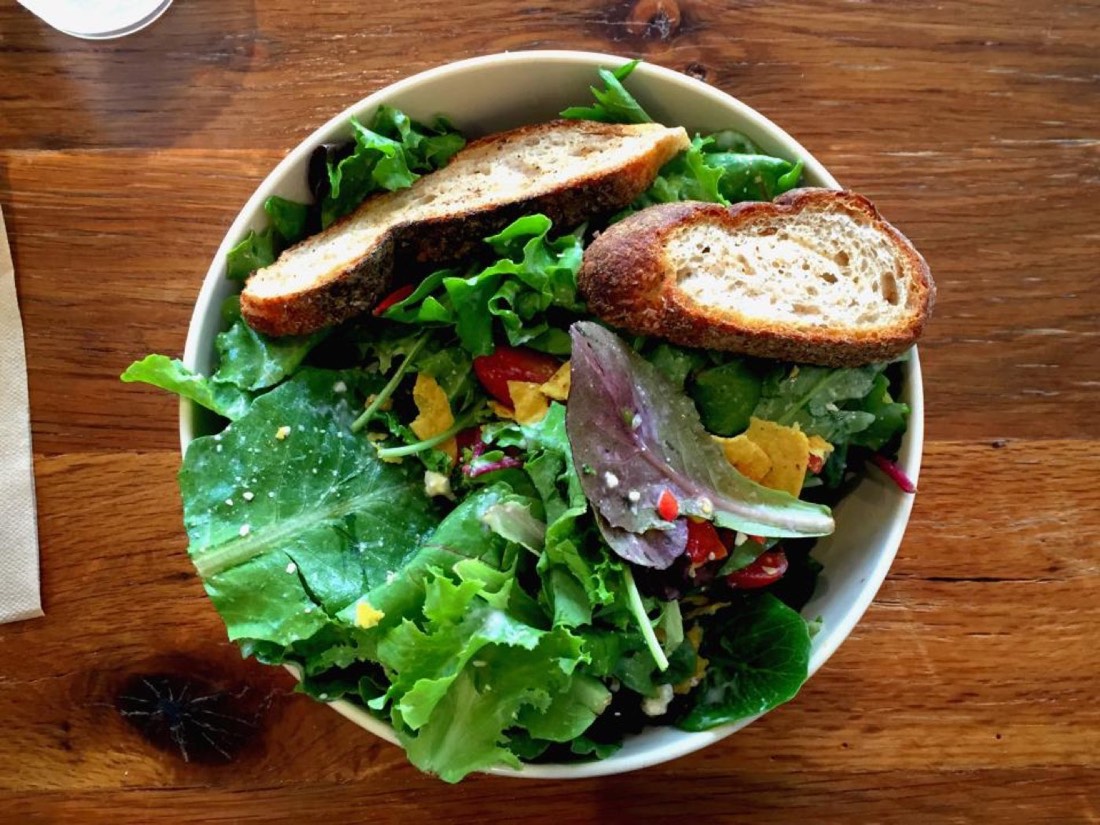
Wanting to eat well isn't the problem. Not knowing how much you've eaten is.
Amber is a product manager at a software company in Nangang. She buys breakfast at the MRT station, lunch is a bento from somewhere near the office, and dinner is often delivery after a meeting. She had tried a few ways of tracking what she ate and never lasted more than three days: entering ingredients one by one was too much hassle, and she was never sure how to estimate portions.
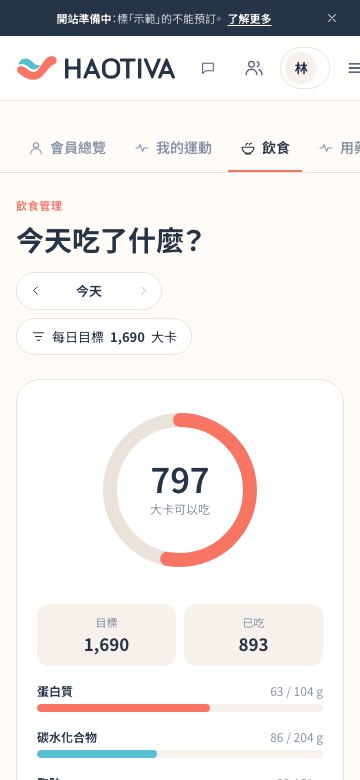
She opened HAOTIVA Nutrition, and the page title simply asks, "What did you eat today?" She started with "Set daily goal": she entered her sex, age, height, weight and how active she usually is, then chose to lose fat, maintain or build muscle. The page explains that the estimate uses the Mifflin-St Jeor equation, and that the data is used only to calculate metabolism and goals and is stored on this device by default.
Snap one photo and the system breaks down the meal
There are four ways to log a meal: photo, barcode, description (you can also say it out loud) and search. When you take a photo, the system recognizes it automatically and estimates the staple, protein, sides and sauce separately. The page suggests shooting at an angle with the whole plate in frame for a closer estimate. The photo is used only for recognition and isn't kept afterward.
The result shows the meal's calories, roughly how many grams it weighs, and a "Likely range" for the calories — estimating portions from a single photo always involves some error, so an honest range beats a falsely precise number. Below that are protein, carbs, fat and fiber, plus a nutrition balance score (for reference only). You can adjust portions yourself — say, if you only ate half the rice in your bento.
Descriptions are handy too. She just typed, "Chicken leg bento for lunch, ate half the rice, with an unsweetened green tea," and the system made an estimate; foods she eats often can also be found by searching. The standard portions in the database startled her: a roasted chicken leg bento is about 820 kcal with 42 g of protein; a small bowl of braised pork rice is about 410 kcal; a large half-sugar bubble milk tea is about 450 kcal.
In the evening, check your protein
Every evening, she glances at the day's progress on protein, carbs and fat. The middle of the ring shows how many kcal are left to eat, and the bars below show each nutrient's progress; for the first time, she realized that what she was usually short on wasn't calories, but protein. When she wants to top up, a tea egg is about 75 kcal and 7 g of protein, a cup of unsweetened soy milk about 150 kcal and 15 g, and a pack of sous-vide chicken breast about 120 kcal and 24 g — all typical portions from the database.
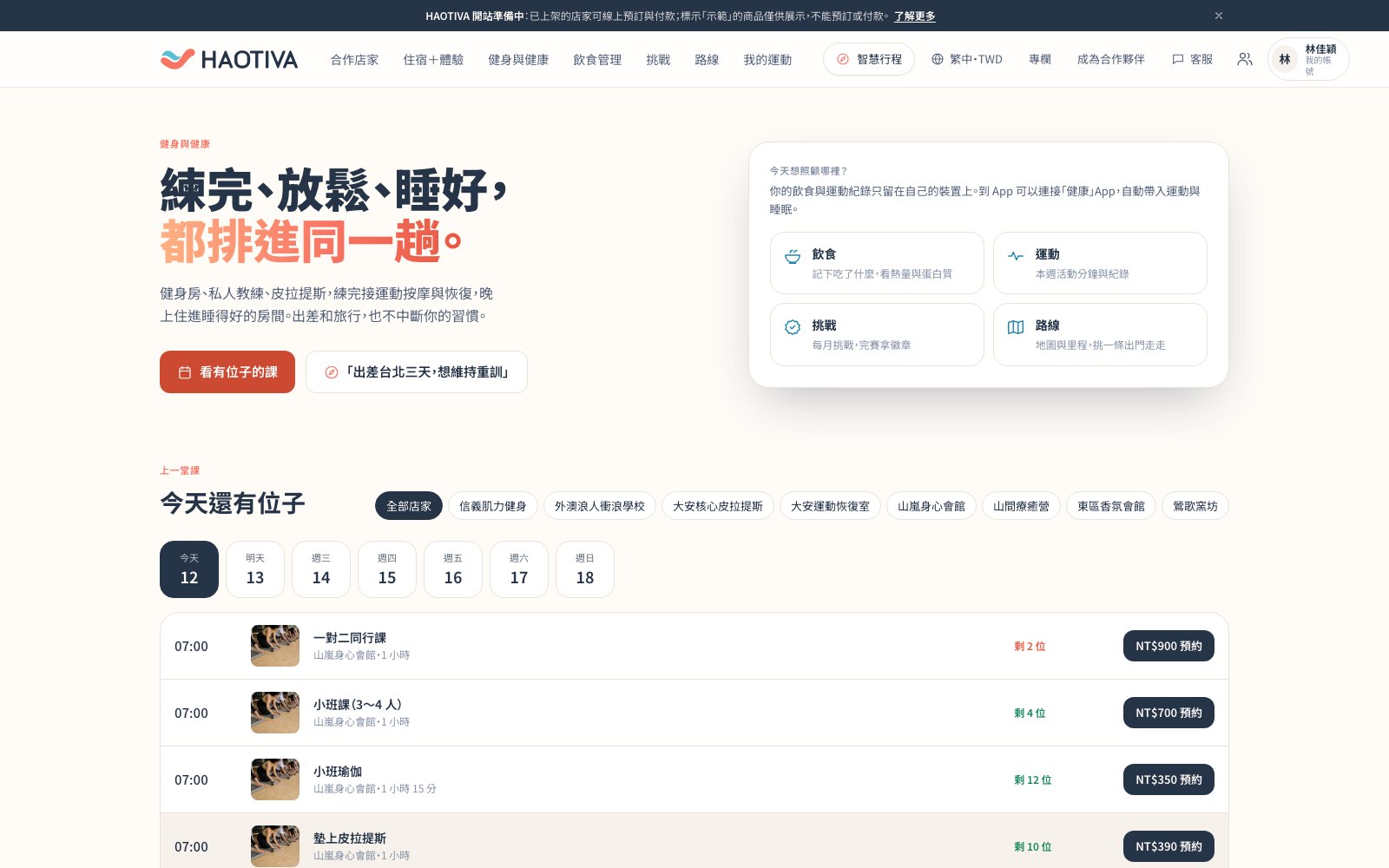
The page also has a water tracker — 250 ml per glass, with a 2,000 ml goal — and foods you eat often can be logged again in one tap. It also shows how many days in a row you've logged, and the small prompt saying how many more days make a full week helped her push past day four.
- Breakfast: oatmeal with milk — more fiber than an egg crepe
- Lunch: half the rice in the bento, plus a side of blanched greens
- Afternoon: swap the latte for an Americano, or add a cup of unsweetened soy milk
- Dinner: check "What's left" first, then decide what to order
When you want someone to plan for you: one-on-one with a dietitian + a week of meal prep
After a week of logging, she understood the problem, but she still needed someone to show her what to do about it. In "Stay + Exp." she found "Taipei | One-on-one dietitian consultation + a week of meal prep": you start by talking through your daily routine and training load, the dietitian recommends daily portions and meal combinations, and then lunch boxes are delivered to your office for seven days in a row.
There are two options: consultation + a week of lunches for NT$3,200, with 7 meals included; or consultation only for NT$1,200, 50 min. It can be done online or in person, with time slots at 10:00, 13:00 and 19:00. Included are a 50-min dietitian consultation, personal calorie and protein recommendations, and seven days of lunch boxes (delivered within Taipei City). The restrictions note that the boxes must be refrigerated and eaten the same day, that delivery outside the delivery area isn't included, and that this isn't a medical nutrition service. The page also notes that a licensed dietitian provides general dietary advice that doesn't replace a medical diagnosis. Free cancellation is up to 3 days before.
Before booking, tell the venue about your dietary needs
The most important thing with this kind of service is letting the venue know your situation first. Amber planned to leave a message through "Ask the host" on the listing: "No beef, lactose intolerant, occasional strength training in the evening," so the dietitian has the basics before the consultation. The "Cancellation & notes" block at the bottom of the listing repeats the free-cancellation deadline, exclusions and usage restrictions.
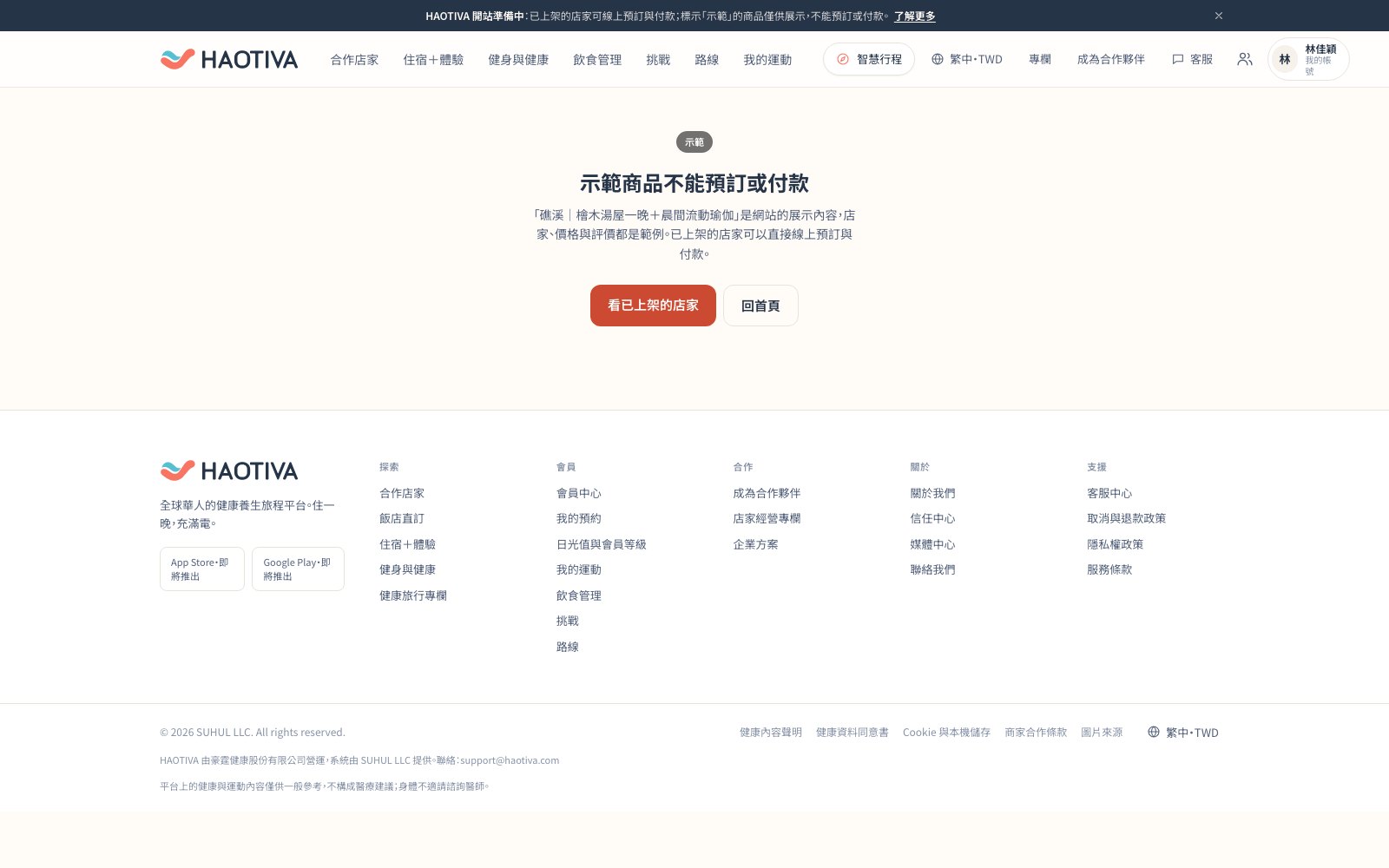
As for payment, items marked "Demo" can't be booked, while partner venues that are already listed can be booked and paid for online; her company's benefit points belong to the business plan, which is still in preparation; and Sunlight points are reward points that can't be redeemed against a payment yet.
I thought what I needed was willpower. It turned out what I needed first was to see what I was actually eating.
Who can see your data
Food and health data is very personal, and HAOTIVA spells out how it handles it. Your food log is stored only on this device by default; if you want the same log on different devices, you can choose to save it to your member account on the Nutrition page, where you see a full explanation before turning it on, can switch it off at any time, and the copy in your account is deleted immediately when you do. "Delete my preference data" removes your quiz preferences, health preferences and food log together.
The "Free and paid: our rules" section of the Help center page also promises that your own records (meals, activity, routes, bookings) are always free to view and export, and that health data is never sold or used for host advertising.
Pre-launch note, and a health reminder
HAOTIVA is currently adding partners one by one. Partners that are already listed can take bookings and payments online, while the nutrition consultation plans and prices in this article are items marked "Demo": they are for display only and can't be booked or paid for. Nutrition tracking, however, can already be used in the browser, with your log stored on your own device by default.
Calories and nutrients are estimates for everyday tracking, not a medical diagnosis. If you have diabetes or kidney disease, are pregnant, or have other special dietary needs, follow the advice of your doctor or dietitian.